History of the place
Schmiede Stolzenhagen is a living example of how history can give rise to the future - fuelled by community, creativity and the power of new ideas.

History of the place
From forge to meeting place
The Stolzenhagen smithy looks back on a long history - built around 1900 as a workshop for the estate, it is now a lively place for education, art and encounters.
A forge with a history
The Stolzenhagen smithy is a place with a past. Together with the nearby wheelwright's workshop, the building originally served as a workshop for the construction and repair of tools and equipment for agricultural production on the Stolzenhagen estate. For decades, even after the estate became an agricultural production co-operative (LPG), it was a central meeting place where people not only worked but also exchanged stories.
From craft to community
After reunification, the LPG on the Stolzenhagen estate ceased production and the smithy lost its original function. The building remained unused for a long time until it was finally revitalised in 2012 by WABE Odertal e.V. as a space for education, art and encounters. Inspired by the idea of creating a place for creative and collaborative work, the transformation of the old smithy into an open, lively place of learning and culture began.
New life within historic walls
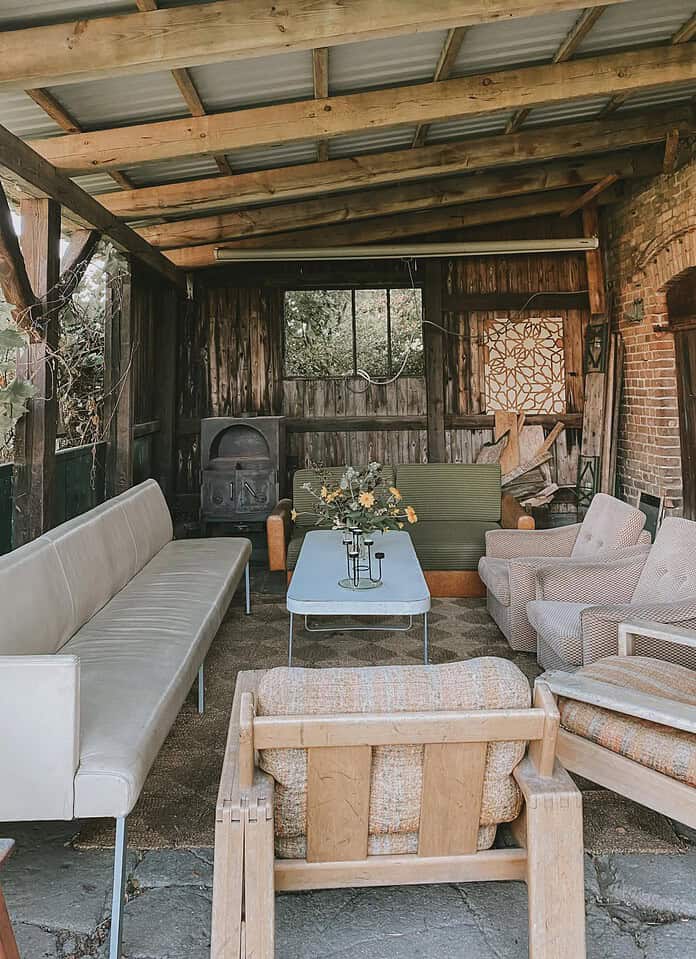
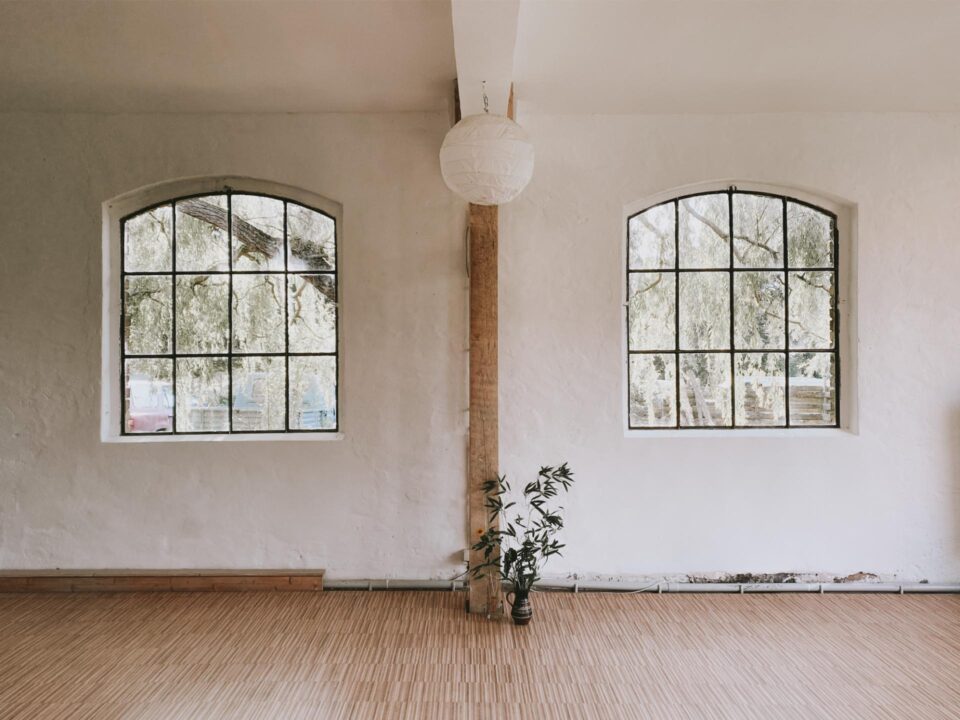
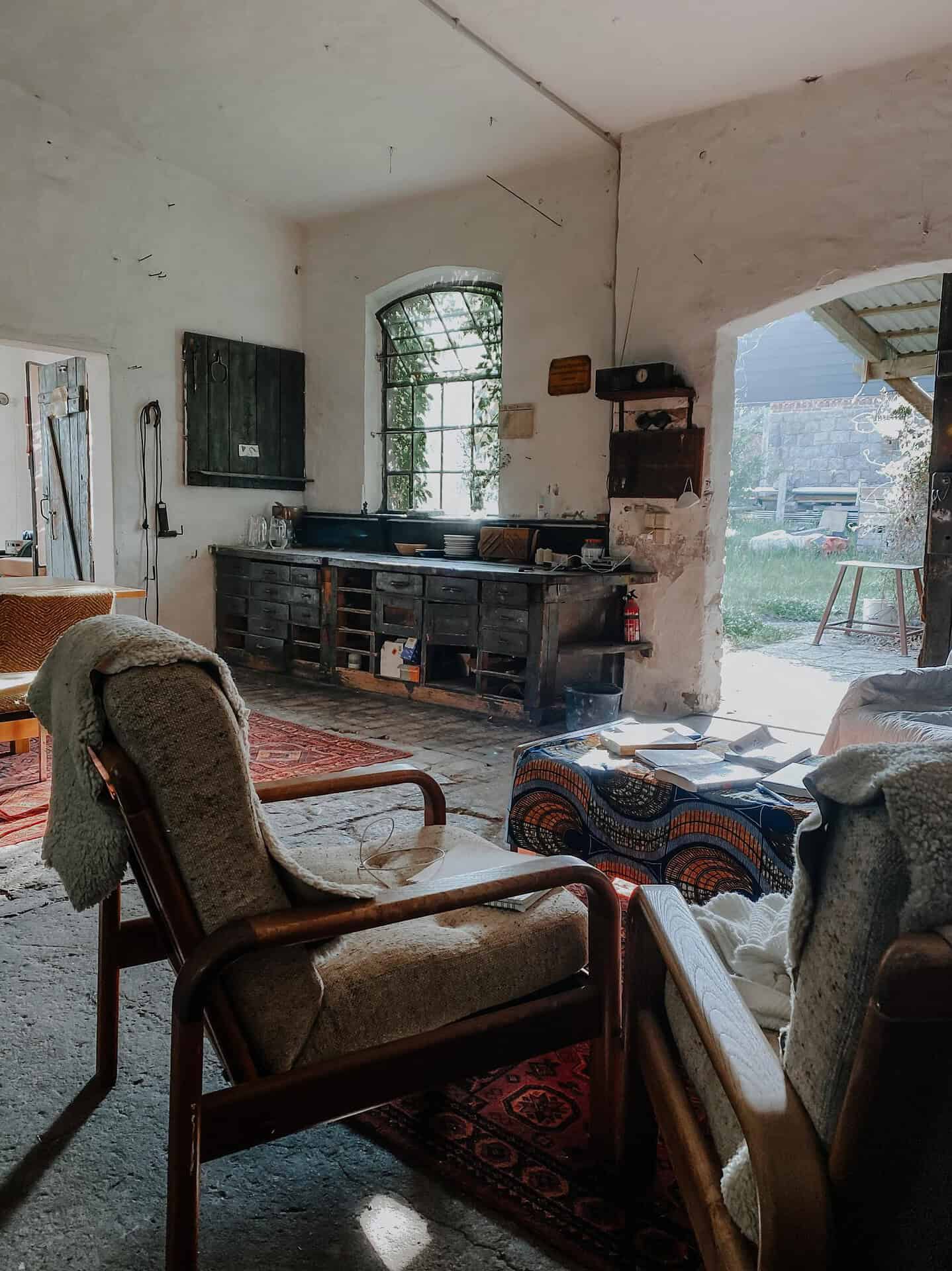
Today, the Stolzenhagen smithy is more than just a building - it is a place of development, learning and encounters. Seminars, workshops and artistic residencies have transformed the former craft into a new form of creativity. Ideas are born here, co-operations grow and networks are formed that have an impact far beyond the region.
Rooted in the region, open to the world
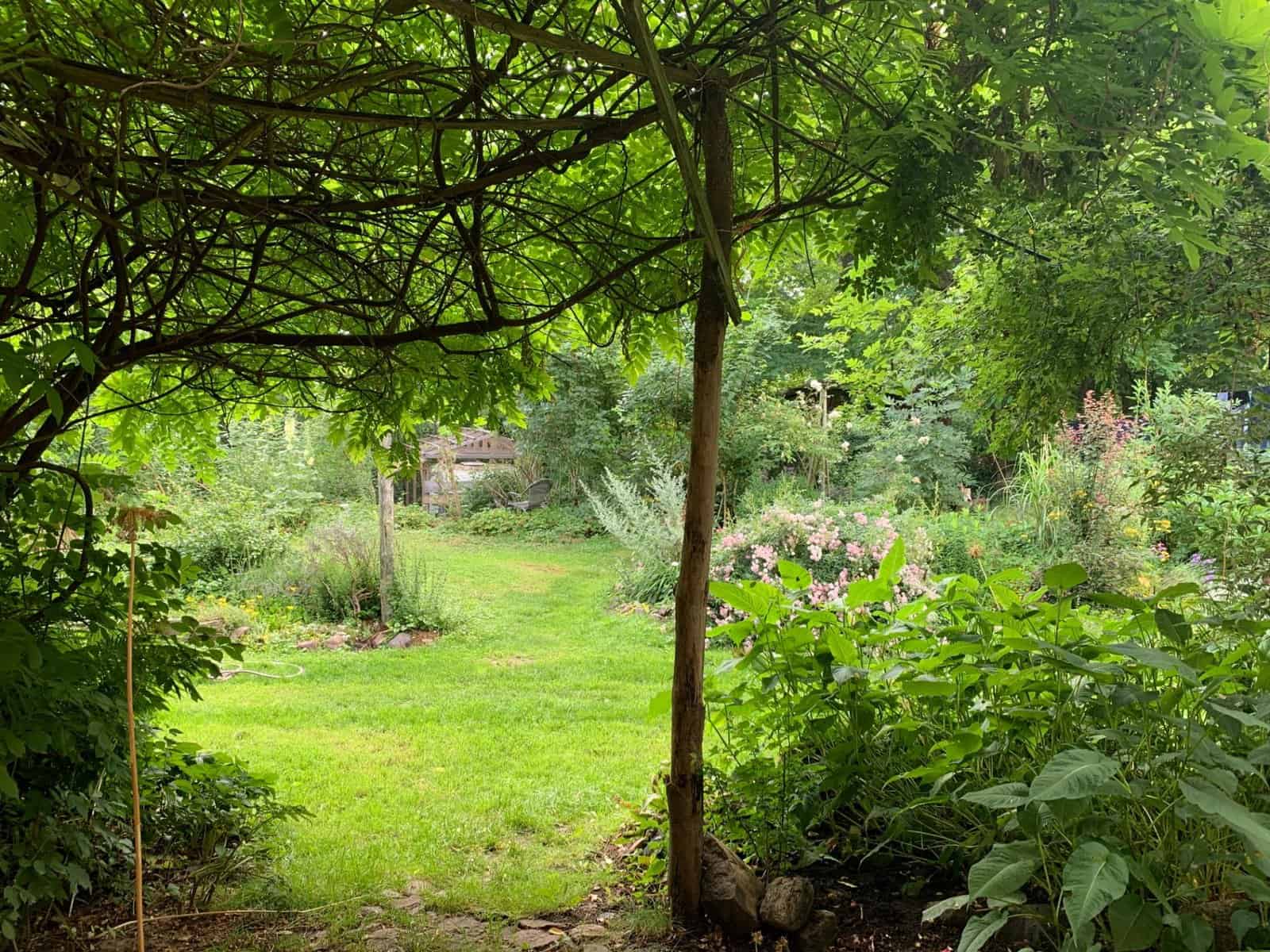
The history of the forge is closely linked to the surrounding area of Lunow-Stolzenhagen. The close cooperation with Gut Stolzenhagen e.G. and other regional stakeholders enables the sustainable development of the site. The original idea of the forge - a place where something new is created with one's own hands - is preserved, only today in the form of education, art and social commitment.